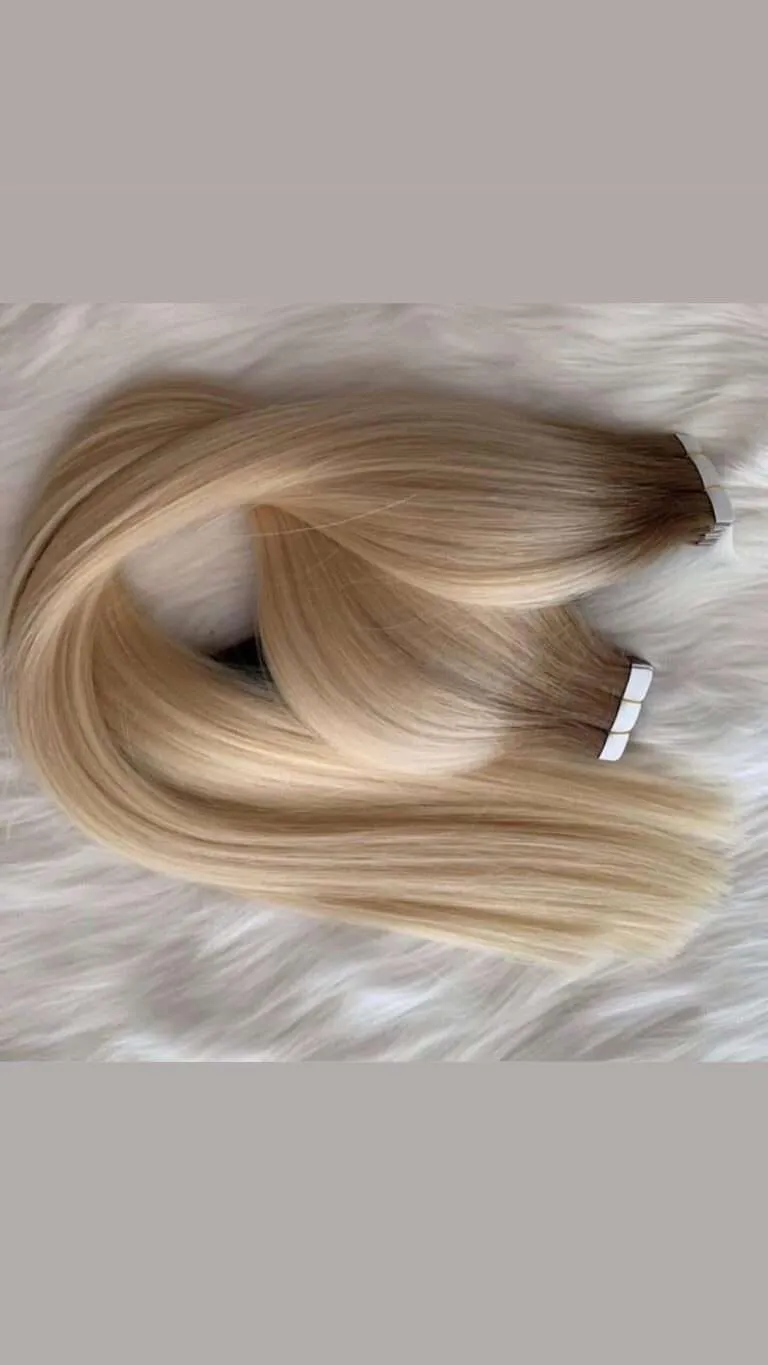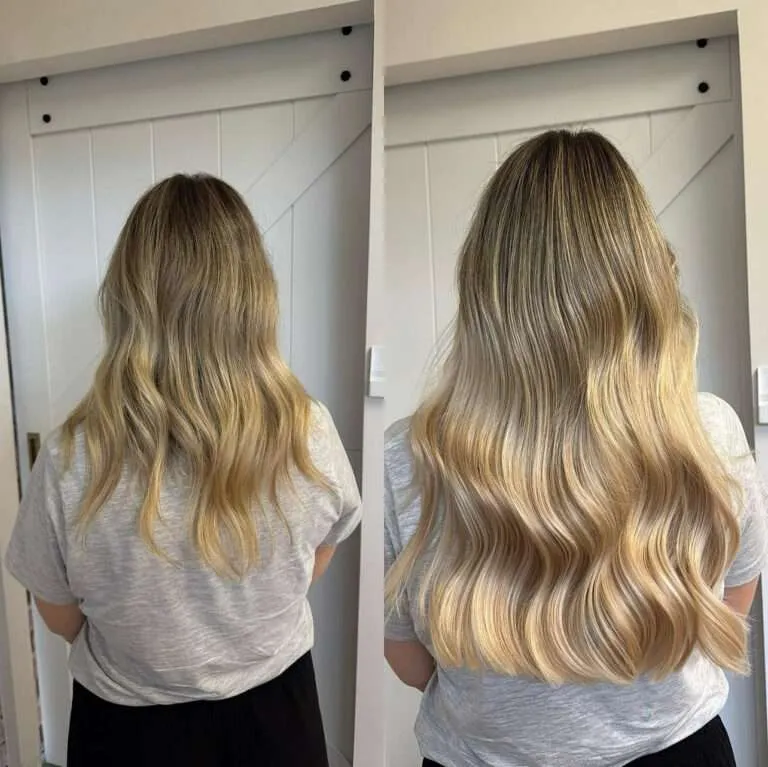
Satin Pillow: Sleeping In Your Hair Extensions
Are Satin Pillowcases Good for Hair Extensions?
Absolutely—satin pillowcases are a game-changer for maintaining the longevity and beauty of hair extensions. Unlike traditional cotton, which can be abrasive and strip hair of its natural moisture, the ultra-smooth surface of satin significantly reduces friction while you sleep. This minimises the risk of matting, tangling, and breakage at the attachment points, ensuring your extensions stay secure and vibrant. By making this simple switch, you effectively protect your investment, keeping your hair silky, frizz-free, and healthy-looking from morning to night.
How Do I Protect My Extensions While Sleeping?
To protect your extensions while sleeping:
- Use a satin or silk pillowcase.
- Tie your hair in a loose braid or ponytail.
- Wear a satin bonnet or scarf.
What Are the Disadvantages of Satin Pillowcases?
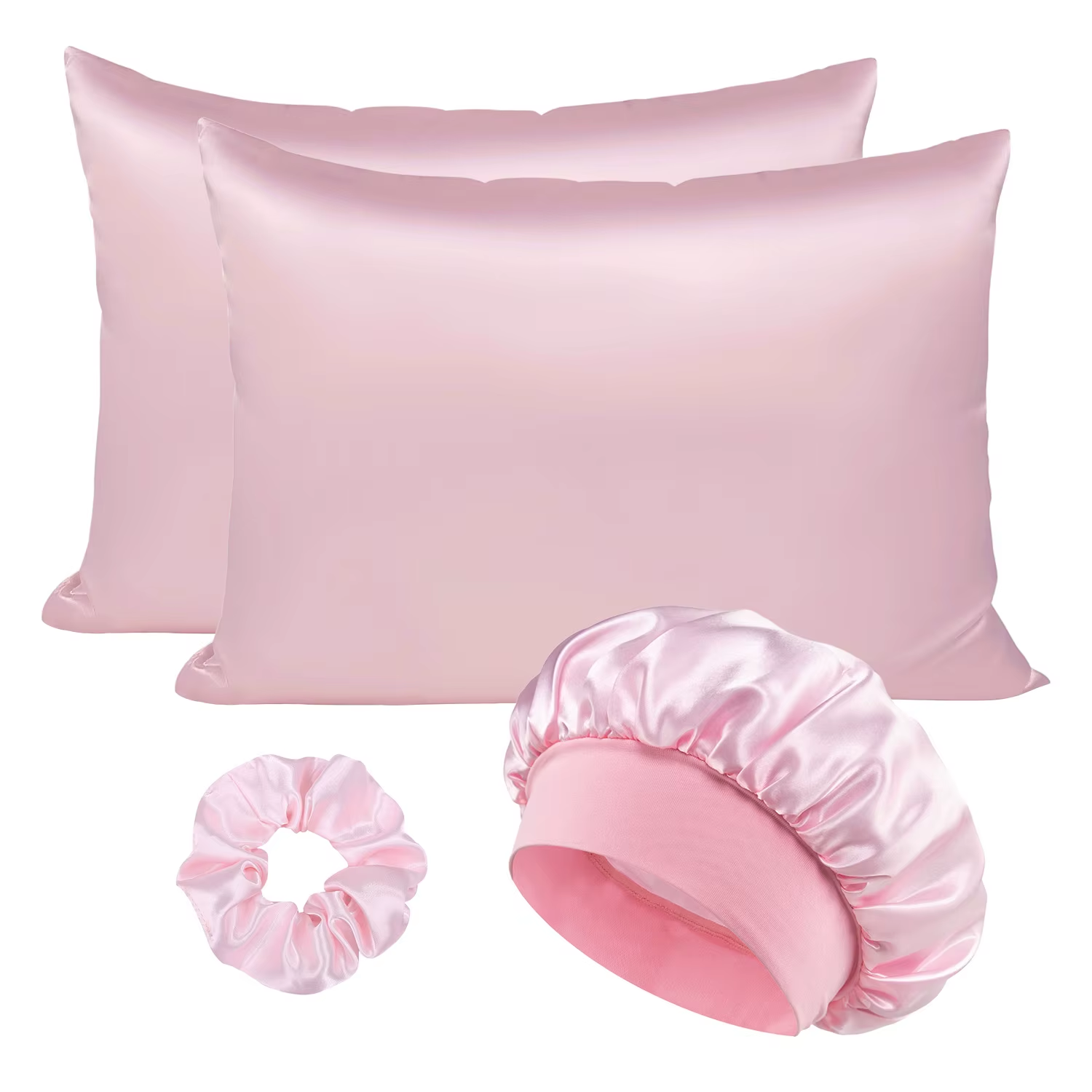
Satin pillowcases have become a gold standard for hair preservation, offering an ultra-smooth surface that minimizes friction throughout the night. By allowing hair to glide effortlessly over the fabric, they help prevent the mechanical tension that leads to frizz, tangles, and split ends—making them an essential accessory for maintaining the longevity and luster of hair extensions. Unlike cotton, which can snag at extension bonds and strip away essential moisture, satin keeps the hair cuticle flat and hydrated. However, this sleek texture does come with practical trade-offs; the material’s low-friction quality makes it quite slippery, which can cause the pillow to shift or slide off the bed during sleep. Additionally, because satin does not absorb natural oils and hair serums as readily as other fabrics, the material requires more consistent laundering to avoid product buildup and ensure a clean, skin-friendly surface for nightly use.
Are Satin Pillows Good for Hair?
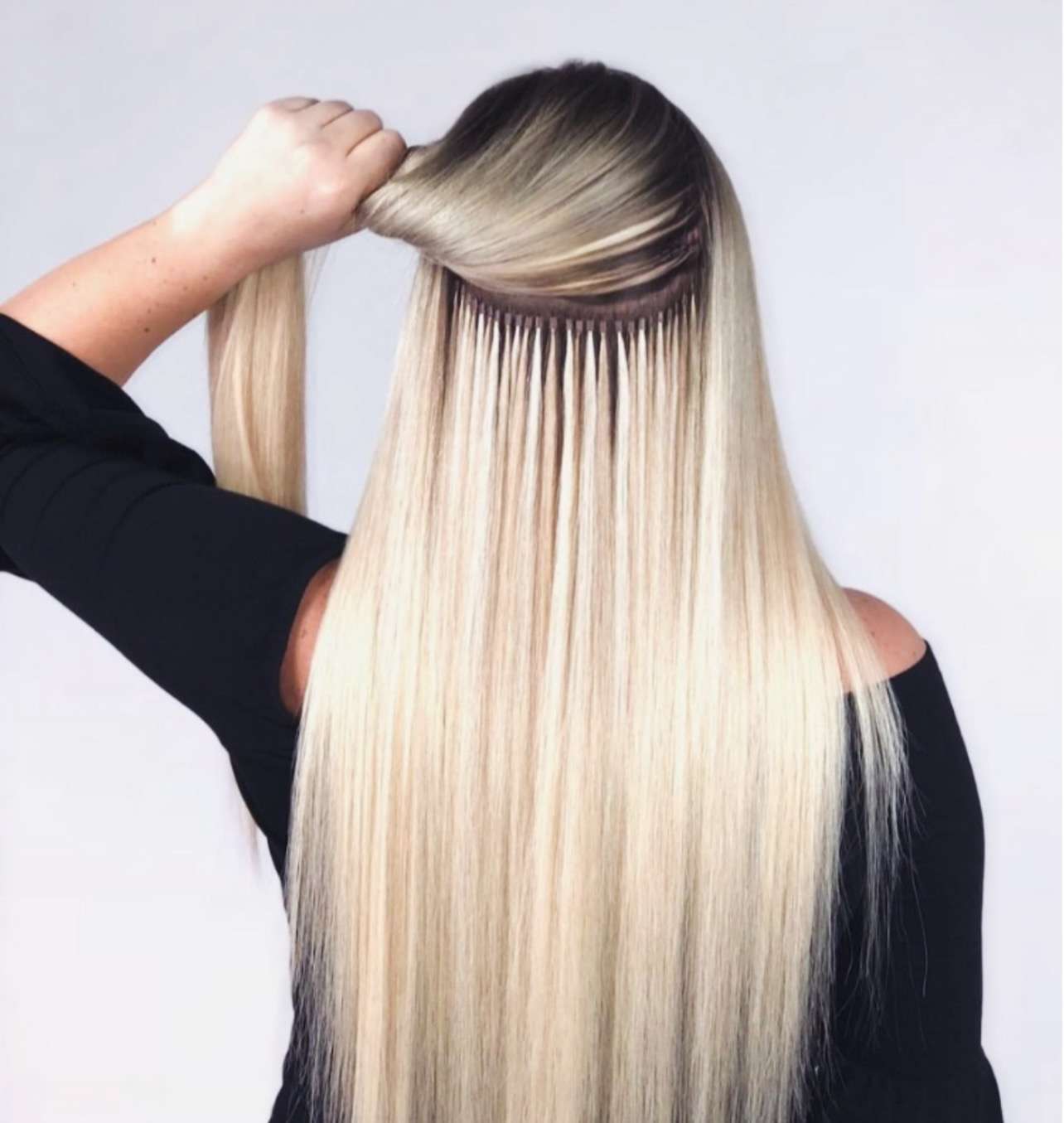
Satin pillowcases are a simple yet highly effective investment for anyone looking to improve their hair health and maintain their style. Unlike cotton, which is a naturally absorbent material that can strip away essential oils and leave your hair feeling dry and brittle, satin is non-porous, helping your hair retain its natural moisture throughout the night. The smooth, sleek surface creates a low-friction environment that allows your hair to glide effortlessly as you move. This “slip” is crucial for preventing the tugging and pulling that leads to frizz, split ends, and breakage. For those with hair extensions, satin is particularly beneficial as it prevents matting and tangling at the roots, protecting the integrity of the bonds and ensuring your extensions stay looking salon-fresh for longer. By switching to satin, you are choosing a gentler way to sleep that promotes smoother, shinier, and more manageable hair every morning.
Are Satin Bonnets Good for Hair Extensions?
Investing in a premium satin bonnet is essential for maintaining the quality and extending the lifespan of your hair extensions. Movement during sleep creates friction that often leads to matting, tangling, and frizz. A high-quality satin bonnet provides a smooth, protective barrier that keeps your extensions securely in place while allowing them to glide effortlessly. Unlike cotton, which absorbs moisture and can leave hair brittle, satin helps retain natural oils to keep your extensions soft and radiant. By reducing nighttime tension on the bonds, you ensure your hair remains healthy and looks salon-fresh for significantly longer.
Is It Better to Sleep on a Silk or Satin Pillowcase?
Both silk and satin pillowcases are good for your hair, but silk is a natural fiber and tends to be more breathable, while satin is often more affordable. Both materials reduce friction and help maintain your hair’s moisture.
Why Do My Extensions Hurt When I Sleep?
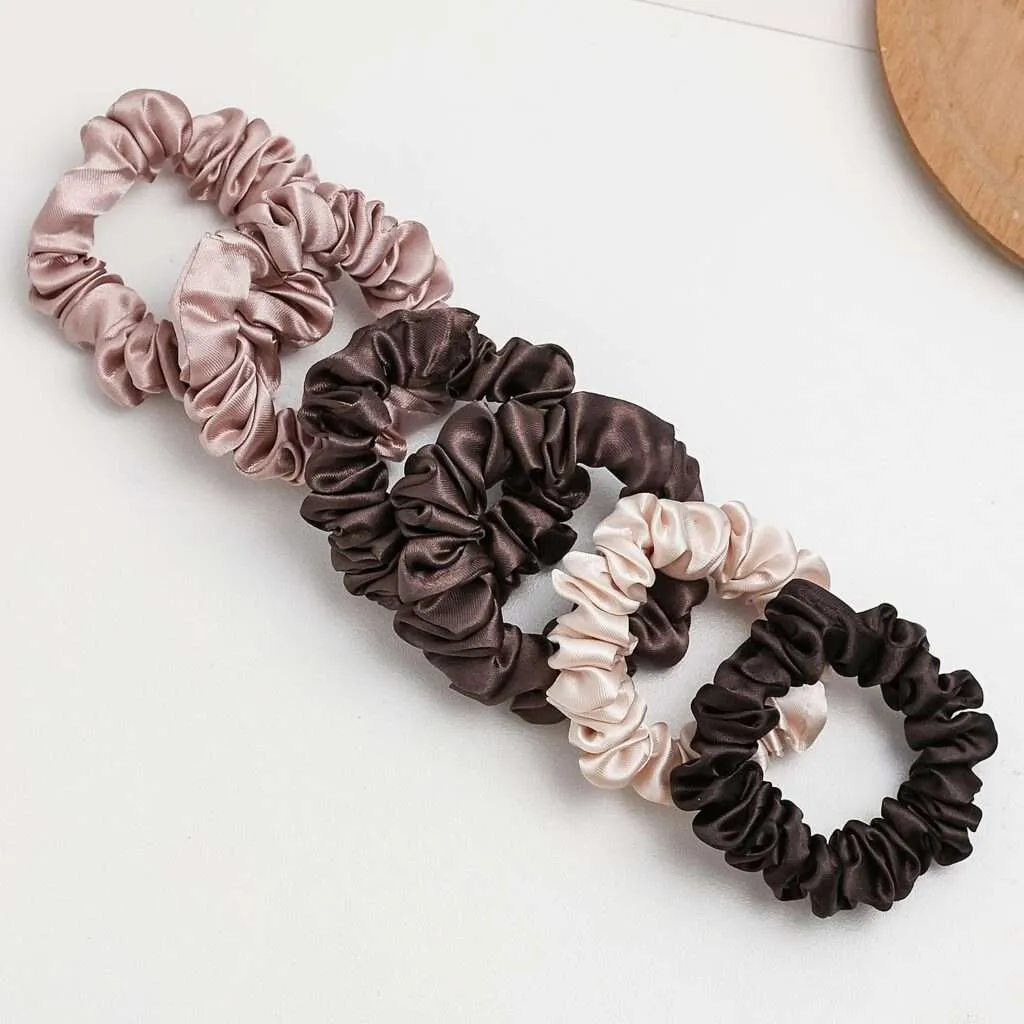
If you are experiencing discomfort or pain from your hair extensions while sleeping, it is often a sign that the bonds or rings have been applied too tightly or are placed too close to the scalp, creating excessive tension on the hair follicles. This “tugging” sensation can lead to scalp irritation and, if left unaddressed, potential damage to your natural hair. To alleviate this pressure, avoid sleeping with high, tight hairstyles; instead, opt for a loose, low braid or a soft ponytail secured with a silk scrunchie to minimize friction and pulling throughout the night. Additionally, using a silk or satin pillowcase can help the extensions glide smoothly as you move. If the discomfort persists beyond the first few days of application, it is crucial to have your extensions assessed by a professional stylist to ensure they are correctly positioned and weighted for your specific hair type. Regular maintenance and professional fitting are essential to ensuring your extensions remain both comfortable and damage-free.
How to Care for Hair Extensions Overnight
Looking after your hair extensions while you sleep is one of the most important steps in maintaining their longevity, softness, and overall appearance. Overnight friction from tossing and turning can cause tangling, matting, dryness, and unnecessary stress on the bonds, tapes, or wefts.
One of the simplest yet most effective ways to protect your hair extensions overnight is by switching to a silk pillowcase.
Unlike traditional cotton pillowcases, silk creates far less friction against the hair. Cotton tends to absorb moisture and roughen the hair cuticle, which can leave both your natural hair and extensions feeling dry, frizzy, and more prone to breakage. Silk, on the other hand, allows the hair to glide smoothly across the surface, helping to minimise knots, matting, and tension at the root.
For clients wearing Tape-In, Nano Ring, Micro Ring, LA Weave, or Bonded Hair Extensions, reducing friction is especially important because excessive pulling while sleeping can loosen extension attachments over time.
Our Top Overnight Hair Extension Care Tips
1. Brush Before Bed
Always gently brush your hair extensions before sleeping using an extension-friendly brush or loop brush. This helps remove tangles and prevents knots from tightening overnight.
2. Tie Hair in a Loose Braid or Low Ponytail
Never sleep with your extensions loose, especially if your hair is long. A loose plait or low ponytail helps keep the hair contained and reduces tangling while you sleep.
3. Sleep on a Silk Pillowcase
A silk pillowcase helps:
- Reduce friction and frizz
- Prevent tangling and matting
- Retain moisture in both natural hair and extensions
- Minimise stress on extension bonds
- Extend the lifespan of your extensions
4. Never Sleep with Wet Hair
Going to bed with damp or wet extensions can cause severe matting near the roots and may weaken bonds or tapes. Always ensure your hair is fully dry before sleeping.
How Can I Keep My Hair Healthy While Wearing Extensions?
To keep your hair healthy while wearing extensions:
- Use a satin pillowcase or bonnet.
- Avoid tight hairstyles that cause tension.
- Moisturise your scalp regularly.
- Use gentle, salt and sulfate-free hair products.
Can a Satin Pillowcase Cause Hair Breakage?
Satin pillowcases minimize friction to significantly reduce hair breakage compared to traditional cotton. By preventing tangles and preserving your hair’s natural integrity, they ensure a smoother, healthier appearance.
Does Satin Hold Bacteria?
Like all fabrics, satin pillowcases can harbour bacteria if not laundered regularly. Frequent washing is essential to maintain optimal hygiene and protect the health of your skin and hair.
How Often Should I Wash My Satin Pillowcase?
To maintain optimal hair health and a hygienic sleep environment, wash your satin pillowcase at least once a week. Regular cleaning effectively removes oils, dirt, and bacteria, ensuring your bedding remains fresh and your hair stays healthy.
Conclusion
Investing in a satin pillowcase is a simple yet effective way to protect your hair extensions and natural hair overnight. By reducing friction and preserving moisture, satin helps eliminate tangling and breakage while you sleep. For comprehensive care, we recommend incorporating additional protective measures, such as wearing a satin bonnet or securing your hair in a loose braid, to ensure your extensions remain healthy and vibrant.
Explore more professional tips and shop our premium hair extensions and accessories range at Link Hair Extensions.