How to Wash Hair Extensions: Step-by-Step Guide
If you’ve invested in hair extensions, keeping them clean and well-maintained is essential. But washing them can feel intimidating. After all, extensions require different care than natural hair, and improper washing can lead to tangling, damage, or reduced lifespan. Did you know that regular hair washing practices can reduce extension longevity by up to 50% without proper products and techniques? This guide explores whether you can wash your hair with extensions, how often to do it, the types of shampoos and conditioners to use, and the dos and don’ts of keeping extensions looking salon-fresh. By the end, you’ll have all the information needed to confidently care for your extensions and protect your investment.

Washing Hair with Extensions
- Background:
- Explain why hair extensions require specialised care.
- Overview of the unique characteristics of extension hair.
- Challenges of Washing Hair Extensions
- Challenge #1: Avoiding tangling and matting during washing.
- Challenge #2: Preventing extension slippage or loosening.
- Challenge #3: Selecting the right shampoo and conditioner.
- Challenge #4: Maintaining hydration in extensions.
- Challenge #5: Drying extensions safely and effectively.
- How to Wash Hair Extensions: Step-by-Step Guide
- Detailed steps on washing extensions safely.
- Recommended frequency for washing extensions.
- Choosing the Best Products for Washing Hair Extensions
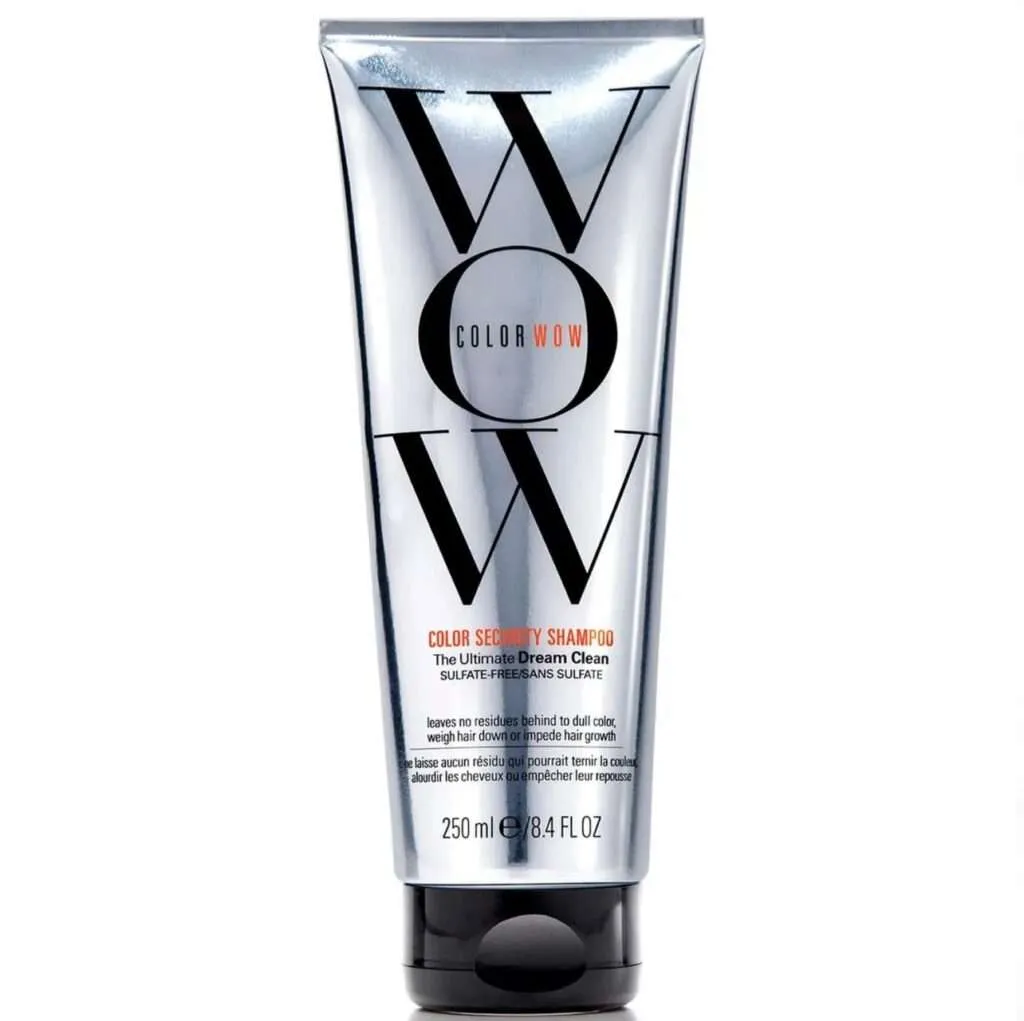
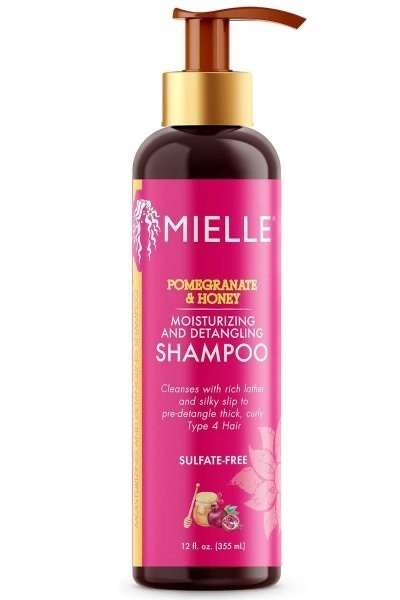
- Benefits of sulfate-free shampoo and why it’s ideal for extensions.
- Types of conditioners and masks for hydration.
- Product recommendations for shampoos, conditioners, and hair masks.
- Practical Tips for Extending the Life of Hair Extensions
- Daily care routine and maintenance tips.
- How to reduce washing frequency and keep extensions fresh.
- Conclusion
Challenges of Washing Hair Extensions
Challenge #1: Avoiding Tangling and Matting During Washing
Extensions, especially when wet, are prone to tangling and matting. Unlike natural hair, extensions don’t have natural oils from the scalp to keep them smooth and manageable.
- Solution: When washing, gently separate each weft and use lukewarm water. Avoid scrubbing, which can lead to tangling, and focus on lightly massaging the shampoo into the scalp while keeping the extensions in a downward motion.
Challenge #2: Preventing Extension Slippage or Loosening
Certain attachment methods, like tape-ins or micro-rings, can loosen if exposed to harsh washing methods. Excessive pulling and massaging can also disturb the extensions’ placement.
- Solution: Choose a shampooing method that minimizes friction, such as tilting your head back and washing in a downward motion. For best results, use a gentle, sulfate-free shampoo to avoid stripping natural oils and breaking down any adhesives.
Challenge #3: Selecting the Right Shampoo and Conditioner
Regular shampoos and conditioners can often contain sulfates and parabens, which may be too harsh for extensions. These chemicals can strip moisture from extensions, leaving them brittle and dull.
- Solution: Select a sulfate-free, paraben-free shampoo to gently cleanse extensions without damaging them. Conditioners should focus on hydration, and a leave-in treatment can add extra moisture without buildup.
Challenge #4: Maintaining Hydration in Extensions
Without natural oils, extensions can dry out easily, leading to frizz and split ends over time. Hydrating treatments are necessary to keep extensions looking soft and shiny.
- Solution: Use a hydrating mask or deep conditioner at least once a week. Products like Argan oil or coconut oil treatments work well for adding moisture back into extensions without causing buildup.
Challenge #5: Drying Extensions Safely and Effectively
Wet extensions are more delicate and prone to breakage. Using the wrong drying method can lead to frizz or even damage the bonds holding the extensions in place.
- Solution: Gently squeeze out excess water and avoid vigorous towel-drying. Instead, pat dry with a microfiber towel. If using a blow dryer, set it on a low-heat setting and avoid pulling or brushing until extensions are mostly dry.
How to Wash Hair Extensions: Step-by-Step Guide
- Prepare Hair with Detangling: Before washing, gently detangle your extensions with a wide-tooth comb or a brush designed for extensions.
- Choose the Right Temperature: Use lukewarm water to prevent stripping moisture from your extensions.
- Apply Sulfate-Free Shampoo: Work the shampoo from roots to ends without scrubbing. Gently massage the scalp and rinse thoroughly.
- Condition Carefully: Apply a conditioner from mid-length to the ends of the extensions, avoiding the root area to prevent slippage.
- Use a Weekly Hair Mask: For added hydration, use a hair mask on extensions once a week, allowing it to sit for 5-10 minutes before rinsing.
- Drying Properly: Pat extensions dry with a microfiber towel and air-dry whenever possible. If using a blow dryer, keep it on a low heat setting.

Choosing the Best Products for Washing Hair Extensions
Sulfate-Free Shampoo
Sulfates in regular shampoos can strip hair of natural oils, which extensions especially lack. Sulfate-free options cleanse gently, making them ideal for extensions. Look for shampoos labeled “sulfate-free” or “paraben-free” to ensure minimal impact on extension bonds and longevity.
Conditioners and Hydrating Masks
Conditioners should be moisturizing but lightweight. Hydrating masks, used once a week, restore moisture and softness to extensions. Ingredients like Argan oil, keratin, and coconut oil offer great hydration without causing buildup or tangling.
Practical Tips for Extending the Life of Hair Extensions
- Brush Regularly with an Extension-Safe Brush: Daily brushing prevents tangles. Always start from the bottom and work your way up.
- Limit Washing to Once a Week or As Needed: Since extensions don’t produce oil, they don’t need frequent washing.
- Avoid Heat Styling Too Frequently: Heat can damage extensions quickly, so opt for air-drying or use a heat protectant if styling.
- Sleep with Hair in a Braid or Ponytail: Secure your hair while sleeping to prevent tangling.
- Invest in a Silk Pillowcase: Silk pillowcases reduce friction and help keep extensions smooth overnight.
Conclusion
Washing your hair with extensions is essential for keeping them looking fresh, but it requires specific care to avoid damage. Using the right products, techniques, and frequency can make all the difference. Stick to sulfate-free shampoos, choose lightweight conditioners, and prioritize air-drying to protect your extensions. With the correct care, your extensions can stay soft, shiny, and tangle-free, providing long-lasting volume and beauty. So, invest time in maintaining your extensions, and enjoy the benefits of a seamless, salon-fresh look that lasts.

1. How often should you wash hair extensions?
- Answer: Hair extensions should be washed once a week or as needed to maintain cleanliness without over-drying the hair.
2. Can you use regular shampoo on hair extensions?
- Answer: It’s best to use a sulfate-free shampoo on hair extensions, as regular shampoos can strip them of moisture and lead to dryness.
3. What’s the best way to dry hair extensions after washing?
- Table: Drying Methods for Hair Extensions
| Drying Method | Recommended | Why |
| Air-drying | Yes | Prevents heat damage, keeps hair smooth |
| Blow-drying on low | Yes | If air-drying isn’t possible |
| High heat blow-drying | No | Can damage bonds and lead to dryness |