
Hair Extension Specialist Reveals The Biggest Mistakes Clients Make (And How to Avoid Them)
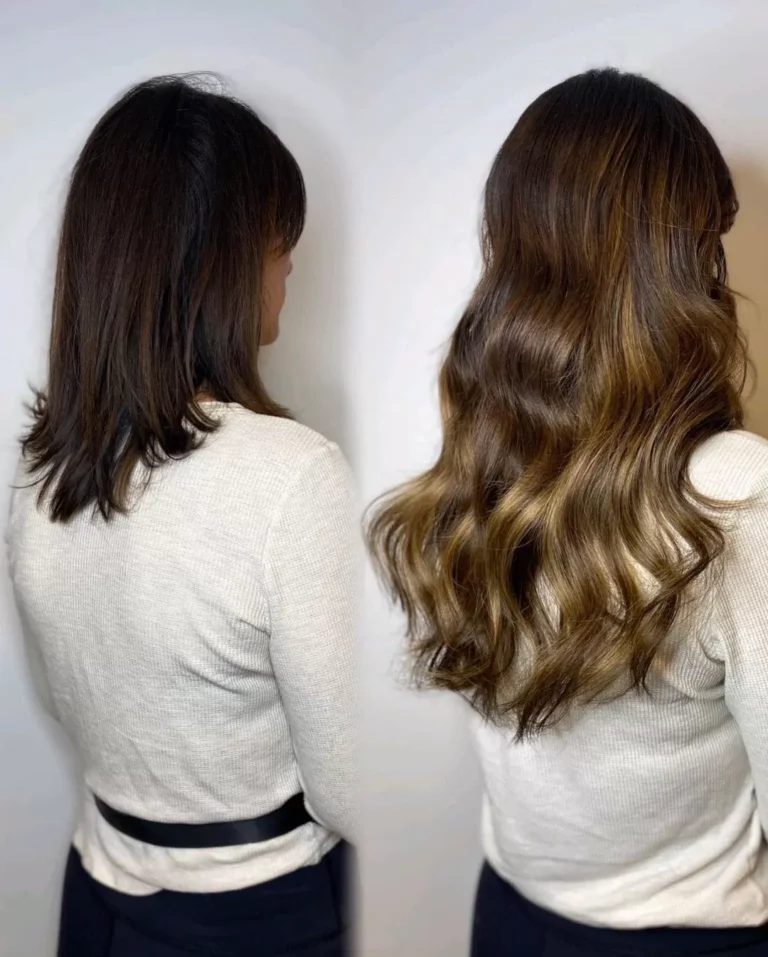
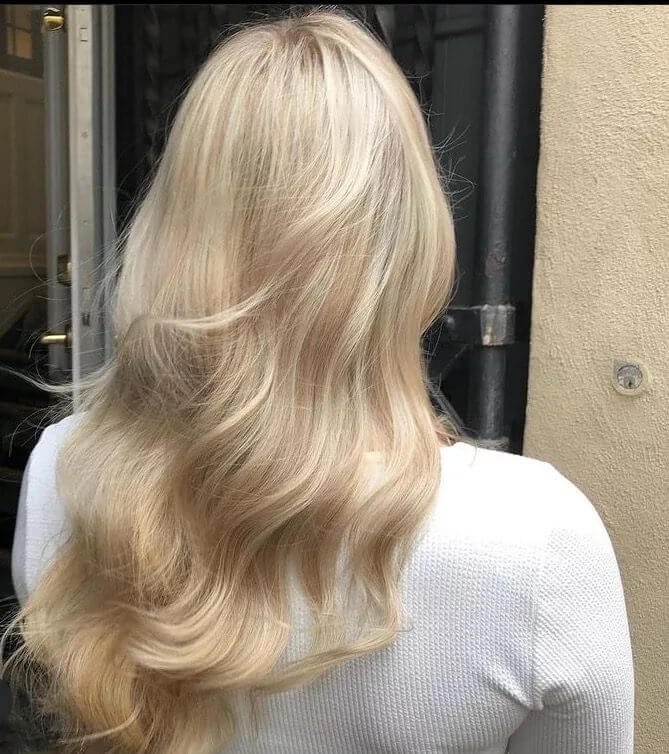
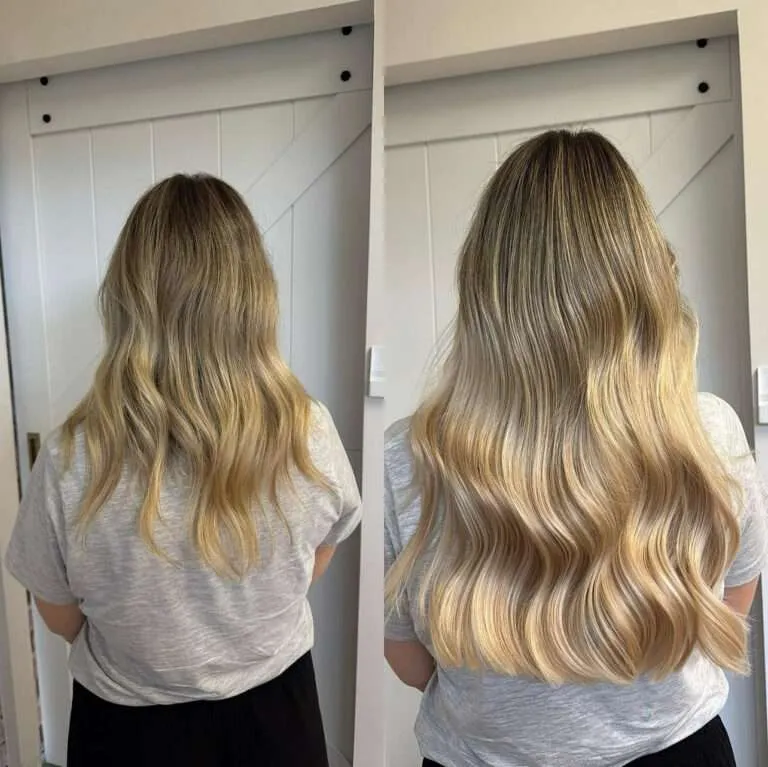
Hair extensions have the power to completely transform your look adding length, volume, and versatility in a single appointment. But for every client who walks away with a flawless, natural-looking result, there’s another who ends up disappointed just weeks later: tangled ends, visible bonds, or extensions that never quite blended the way they’d hoped.
At Link Hair Extensions, we’ve fitted, styled, and maintained thousands of extensions across every method tape-ins, micro-rings, nano-rings, weft, and fusion. And in that time, we’ve noticed the same handful of mistakes coming up again and again, regardless of hair type, budget, or experience level. The good news is that almost every one of them is completely avoidable once you know what to look for.

This guide breaks down the most common hair extension mistakes clients make from choosing the wrong method to at-home removal disasters along with practical, specialist-backed advice on how to avoid them.
1. Choosing the Wrong Hair Extension Method for Your Lifestyle
Not all hair extension methods are created equal, and not every method suits every lifestyle. This is, by far, the most common starting point for a bad extension experience not poor-quality hair or bad application, but a fundamental mismatch between the method chosen and how the client actually lives day to day.
Someone who swims regularly, trains at the gym most days, or has fine, fragile natural hair needs a very different approach to someone with thick, resilient hair and a low-maintenance routine. Yet clients often choose a method because it’s trending on social media, rather than because it genuinely fits their needs.
Tape-in hair extensions, for example, need to be kept away from oil-based and silicone-heavy products at the root, which becomes a real problem for anyone already using a heavy scalp treatment or oil-based conditioner. Micro-ring and nano-ring extensions require regular repositioning as natural hair grows out, which demands a level of ongoing commitment some clients simply don’t have time for. Weft and fusion methods offer longer wear time but need professional removal, so they’re less suited to anyone wanting a quick, flexible change.
The fix: Be completely honest with your stylist about your daily routine, hair type, activity levels, and how much upkeep you’re realistically willing to commit to. A good hair extension specialist won’t just fit the method that looks best in a photo they’ll steer you toward the one that actually works for your life.
2. Skimping on Hair Quality to Save Money
This is, without question, the single biggest regret we hear from clients who’ve had a bad experience elsewhere. Cheaper, lower-grade hair extensions might save money upfront, but they tangle faster, shed more, lose their shine quickly, and rarely blend convincingly with natural hair especially after a few washes.
The difference almost always comes down to Remy hair versus non-Remy or synthetic blends. Remy hair extensions are made from human hair where every cuticle layer runs in the same direction, root to tip. This is what keeps the hair smooth, tangle-resistant, and naturally reflective over time. Non-Remy hair, by contrast, has cuticles running in mixed directions, which causes friction between strands leading to matting, dullness, and a much shorter usable lifespan.
The fix: Treat hair extensions as an investment rather than a one-off purchase. High-quality Remy hair extensions, properly cared for, can be removed, stored, and reapplied across multiple sessions which often makes them significantly cheaper over time than repeatedly replacing poor-quality sets that only last a few months.

3. Overwashing — or Washing Extensions the Wrong Way
Hair extensions don’t need washing as often as natural hair, and washing them incorrectly is one of the fastest ways to shorten their lifespan. Scrubbing at the roots, washing upside down, or using regular sulphate-heavy shampoo all put unnecessary stress on the bonds, tapes, or wefts holding the extensions in place.
The fix: Wash less frequently than you might think. For most methods, two to three washes a week is plenty. Always use sulphate-free, extension-safe shampoo and conditioner, and let water and product run gently through the lengths rather than scrubbing directly at the attachment points. Washing hair extensions the right way protects both the integrity of the extensions and the health of the natural hair underneath.
4. Sleeping With Wet Hair or Skipping Nighttime Prep
Going to bed with wet or damp extensions is one of the quickest ways to cause matting, particularly at the root. Hair swells slightly when wet, and the constant friction of a pillow against damp strands overnight accelerates tangling dramatically, often undoing days of careful maintenance in a single night.
The fix: Always make sure extensions are completely dry before bed. Tie hair into a loose braid or low, loose ponytail overnight to minimise movement and friction. Switching to a silk or satin pillowcase also makes a noticeable difference, as it reduces friction significantly compared to standard cotton.
5. Brushing Extensions Incorrectly Or Not Enough
Both extremes cause damage here. Brushing too aggressively, especially close to the root, puts unnecessary strain on the bonds and can cause premature shedding or slippage. But not brushing enough allows tangles to build up unnoticed, which then require far more aggressive detangling later, creating a cycle that damages both the extensions and the natural hair growing beneath them.
The fix: Use a soft-bristle loop brush specifically designed for hair extensions. Brush gently two to three times a day, always starting from the ends and working upward in small sections while holding the root firmly to avoid pulling on the bonds.
6. Leaving Too Long Between Maintenance Appointments
Hair extensions move as natural hair grows underneath them. Left too long between maintenance appointments, bonds gradually slide down the hair shaft, rings become visible, and the risk of tangling and matting near the scalp increases significantly. Some clients push back maintenance appointments to save money in the short term, only to end up needing a much more involved and considerably more expensive fix later on.
The fix: Stick closely to the recommended maintenance schedule for your specific method, typically every six to eight weeks for most bonded techniques. Regular maintenance appointments protect both the natural hair underneath and the long-term value of the extensions themselves.
7. Ignoring Product Compatibility
Heavy oils, silicone-based serums, and certain heat protectants can cause bonds to slip or rings to loosen, particularly around the root area. Clients often continue using their usual haircare products without realising that some common ingredients actively work against whichever extension method they’ve had fitted.
The fix: Ask your specialist for specific, method-appropriate product recommendations at the time of fitting. Keep root-area products lightweight and oil-free, especially near bonds, tapes, or rings, and always check that any new haircare product is genuinely extension-safe before switching.
8. Attempting to Remove Extensions at Home
This is, by a significant margin, the mistake that causes the most damage. Pulling, cutting, or attempting to dissolve bonds using random household products can cause real, lasting breakage to natural hair often far more than the extensions themselves would ever cause if removed properly.
The fix: Always book a professional removal appointment rather than attempting a DIY approach. Professional removal takes a fraction of the time a home attempt does, and most importantly it protects the natural hair underneath, which is ultimately what determines how your hair looks and feels once the extensions come out.
Getting the Best Results From Your Hair Extensions
Most hair extension disappointments come down to the same root cause: a mismatch between expectations and reality the wrong method for the lifestyle, hair quality that doesn’t hold up, or an aftercare routine that isn’t suited to the extensions fitted. A proper consultation, an honest conversation about day-to-day life, and a consistent aftercare routine solve the overwhelming majority of problems before they ever start.
At Link Hair Extensions, this is exactly the approach we take with every client matching the right method and hair quality to the right person, then supporting that with clear aftercare guidance from day one.
Looking for expert guidance on your own hair extension journey? Get in touch with Link Hair Extensions to find the method, hair quality, and aftercare plan that’s right for you.