Maintenance for Hair Extensions 2026 Essential Guide
Hair Extensions Maintenance for Link Hair Extensions London: Essential Tips for Longevity and Care
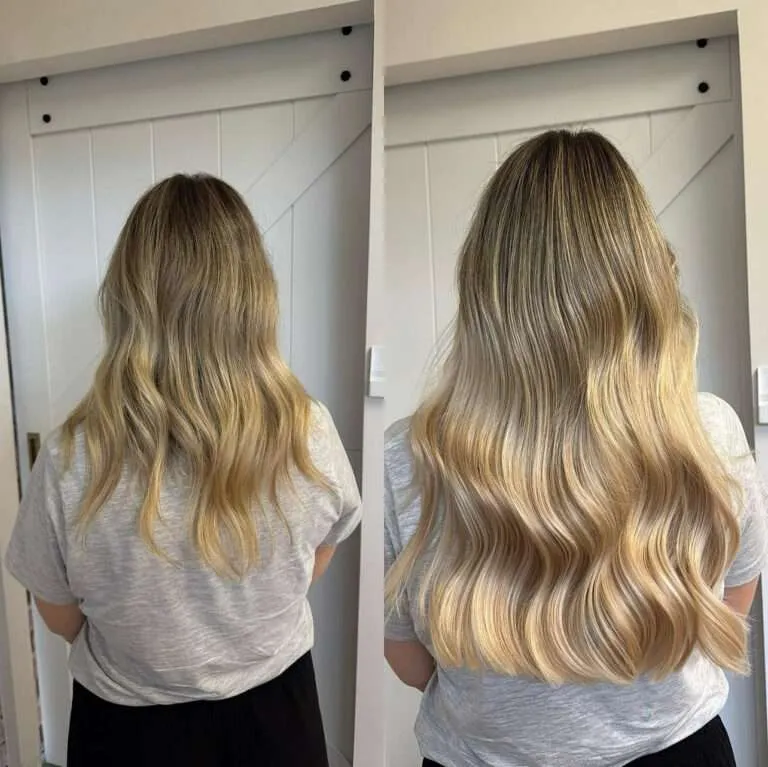
Maintaining your hair extensions is crucial for ensuring they look vibrant and feel comfortable. Proper care techniques can extend the life of your extensions and keep them looking as stunning as the day they were installed.Whether you’ve just had your extensions fitted or are looking to refresh your routine, understanding the right practices can make all the difference.
From daily brushing to proper washing methods, looking after your extensions is manageable with the right guidance. Each step you take towards maintenance can contribute significantly to their overall integrity and appearance. Furthermore, knowing when to replace or readjust your extensions will help you maintain a flawless look year-round.
In this blog post, you’ll discover practical tips and long-term strategies specific to Link Hair Extensions London that will keep your hair looking its best. With expert advice tailored for both new and seasoned extension wearers, you’ll gain invaluable insights to enhance your hair care routine.
Key Takeaways
- Regular maintenance keeps your hair extensions in optimal condition.
- Daily care strategies can help prevent tangles and matting.
- Knowing when to replace extensions ensures a consistent look.
Understanding Hair Extensions Maintenance
Proper maintenance of hair extensions is essential for their longevity and appearance. Understanding the specific care routines and their benefits can help you make informed decisions, ensuring that your extensions look vibrant and natural.
Basics of Hair Extensions Care
To maintain the quality of your hair extensions, start with daily brushing. Use a soft-bristle brush to gently detangle, beginning at the tips and working your way up. This prevents pulling on the bonds and reduces breakage.
Regular washing is crucial too; use sulfate-free, moisturizing shampoos and conditioners designed specifically for extensions. Limit washing to 1-2 times a week to avoid stripping natural oils.
Additionally, consider using a satin pillowcase or wearing a bonnet while sleeping. This helps to minimize friction, reducing tangles and damage.
Lastly, schedule regular maintenance appointments every 4-6 weeks to ensure your extensions are not weighing down your natural hair.
Benefits of Proper Maintenance
Investing time in hair extension maintenance provides several advantages. First, it enhances the lifespan of your extensions. Well-cared-for hair can remain in excellent condition for many months, saving you money in the long run.
Proper maintenance also keeps extensions looking naturaland seamless. Regular brushing and conditioning ensure they blend well with your hair, avoiding an unnatural appearance.
Moreover, a solid maintenance routine prevents tanglingand breakage, which can be detrimental to both extensions and natural hair health.
By adhering to a consistent care regimen, you enjoy greater styling versatility without compromising the integrity of your extensions. This leads to increased confidence in your look and overall satisfaction.
Initial Care Post-Installation
After installing your hair extensions, proper initial care is crucial to ensure longevity and maintain their appearance. This involves specific actions during the first 48 hours and setting up a maintenance routine to keep your extensions looking their best.
First 48 Hours After Installation
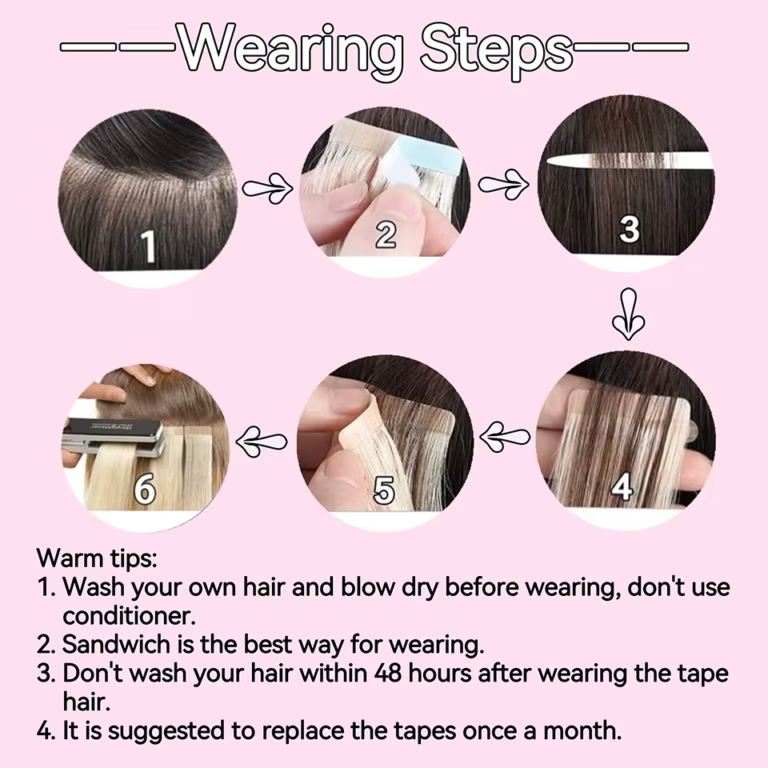
In the first 48 hours post-installation, it’s important to allow the bonds or methods used to set properly. Avoid washing your hair during this period; doing so can disrupt the installation and weaken the hold of the extensions.
- Avoid Excessive Moisture: Refrain from intense workouts or activities that may cause sweating.
- Don’t Apply Products: Stay away from hair products like oils or serums, as they can interfere with bond adhesion.
Instead, focus on gentle, low-maintenance hairstyles that don’t tug on the extensions. Use a satin or silk scarf when you sleep to minimize friction.
Setting a Maintenance Routine
Establishing a maintenance routine is essential for prolonging the life of your hair extensions. Schedule regular appointments with your stylist every 6-8 weeks. This allows for re-tightening and adjustment as your natural hair grows.
In addition to salon visits:
- Daily Care: Brush your extensions daily with a soft-bristle brush to prevent tangles. Always start from the ends and work your way up.
- Use Suitable Products: Choose sulfate-free shampoos and conditioners to prevent drying out the extensions.
Track your maintenance schedule and keep a record of product usage to ensure your extensions look vibrant and healthy throughout their lifespan.
Daily Maintenance Techniques
Maintaining hair extensions daily is essential for preserving their appearance and longevity. Proper care can prevent tangling and damage, ensuring your extensions stay beautiful and functional. The following techniques will help you keep your hair extensions in top condition.
Detangling and Brushing
Regular detangling is crucial for maintaining your extensions. Use a soft-bristle brush specifically designed for extensions to minimize breakage. Start by gently brushing the ends of your extensions and gradually work your way up toward the roots.
Here’s a step-by-step approach:
- Section Your Hair: Divide your hair into manageable sections to make detangling easier.
- Hold the Roots: Support the roots with one hand while brushing to prevent pulling on the bonds.
- Use a Detangler: If needed, apply a light leave-in conditioner to help ease knots.
Brush your extensions at least once a day to prevent tangling. Be cautious when brushing wet hair; it’s more prone to damage.
Protective Styling Tips
Protective styling helps to reduce wear and tear on your hair extensions. Here are several techniques you can incorporate:
- Loose Braids or Buns: If you’re not wearing your extensions down, opt for loose braids or buns to minimize friction.
- Silk or Satin Scarves: Wrap your hair with a silk or satin scarf at night to reduce friction while sleeping. This helps prevent tangling and frizz.
- Avoid Heavy Products: Stay clear of heavy styling products that can weigh down extensions and cause buildup.
Incorporate these techniques into your daily routine to ensure your extensions remain in great shape. Regular care will keep them looking natural and beautiful.
Washing Company Link Hair Extensions
Proper washing techniques are essential to maintain the quality and longevity of your hair extensions. By selecting the right products and following effective washing and drying methods, you can keep your extensions looking beautiful.
Choosing the Right Products
Selecting appropriate hair care products is critical for maintaining the integrity of your extensions. Look for sulfate-free shampoos and lightweight conditionersdesigned specifically for hair extensions. These products are gentler and help protect the bonds.
Avoid products with alcohol or heavy silicone, as these can lead to buildup and drying. When possible, opt for natural ingredients that nourish your hair without causing damage.
Always perform a patch test when trying new products to avoid any potential allergic reactions. Keeping your hair extensions clean and free of harmful chemicals will ensure they last longer.
Washing and Conditioning Method
Before washing, gently detangle your hair extensions using a wide-tooth comb or an extension brush and work from the ends upwards. Start by rinsing your extensions with cool or lukewarm water. This temperature is less damaging than hot water.
Apply a small amount of sulfate-free shampoo to your palms, then evenly distribute it through your hair, starting at the roots and moving down. Avoid rubbing vigorously, as this can cause tangling.
After shampooing, use a generous amount of conditioner and focus on the mid-lengths and ends. Let the conditioner sit for a few minutes to deeply hydrate. Rinse thoroughly with cool water to seal the cuticles and enhance shine.
Drying and Styling Post-Wash
Post-wash, gently towel-dry your extensions by patting, not rubbing, to avoid friction and tangles. Consider using an absorbent microfiber towel for best results.
You can air-dry your extensions on a wide-tooth comb or a drying rack. If you prefer blow-drying, use a cool setting to prevent heat damage.
When styling, use heat protectant sprays to further shield your extensions from potential harm. To maintain their look, avoid overly tight hairstyles that can stress the bonds. Regular maintenance will ensure your extensions look vibrant and natural.
Long-Term Care Strategies
Proper long-term care for your hair extensions can significantly extend their lifespan and maintain their appearance. Implementing a few key strategies will help ensure that both your extensions and natural hair remain healthy and beautiful.
Scheduled Maintenance Appointments
Regularly scheduled maintenance appointments with a professional stylist are essential for the health of your hair extensions. Aim for visits every 6 to 8 weeks. During these appointments, your stylist can assess the condition of your extensions, making necessary adjustments and reapplying them if needed.
Your stylist will also check for any signs of wear and tear. They can provide specialized treatments tailored for your hair type. This routine maintenance will help prevent damage to your natural hair while ensuring your extensions look vibrant.
Diet and Lifestyle Impacts
Your diet and lifestyle choices play a significant role in the long-term condition of your hair extensions. Eating a balanced diet rich in vitamins and minerals promotes overall hair health. Focus on foods high in protein, such as eggs and fish, to support hair strength.
Hydration is equally important; drinking plenty of water helps maintain moisture levels in both your extensions and natural hair. Avoiding excessive heat styling and harsh chemical treatments will also protect your extensions from unnecessary damage.
Incorporating beneficial vitamins, like Biotin and Omega-3 fatty acids, can enhance hair quality. These adjustments in lifestyle will contribute to the longevity of your hair extensions.
Avoiding Common Damaging Practices
Be mindful of practices that can damage your hair extensions. Avoid excessive washing; washing them too frequently can strip essential oils, leading to dryness. Instead, aim to wash your extensions every 3 to 4 wears, using sulfate-free shampoos.
When styling, use heat protectant products to minimize thermal damage. Additionally, avoid tight hairstyles that tug on the extensions, as this can lead to premature shedding. When brushing, opt for a wide-tooth comb or a brush designed for extensions to prevent tangling.
Lastly, be cautious about sleeping with your extensions. Always braid your hair or tie it in a loose ponytail to prevent tangling overnight. By adopting these strategies, you can maintain the integrity and appearance of your extensions effectively.
Sleeping With Hair Extensions
Proper care during sleep is crucial to maintaining the integrity of your hair extensions. Following best practices and using the right accessories can help prevent damage, tangling, and discomfort while you rest.
Best Practices for Overnight Care
Before bedtime, prepare your hair extensions to minimize damage. Start by gently brushing your hair to remove tangles. Use a wide-tooth comb or a soft-bristle brush to avoid pulling on the extensions.
Ensure your hair is completely dry before sleeping. Wet hair is more vulnerable to breakage and tangling, which can lead to damage overnight.
If you have clip-in extensions, consider removing them before sleep to prevent tugging on your natural hair. If you opt to leave them in, using a light leave-in conditioner can help maintain moisture.
Finally, apply a serum or oil to the ends of your extensions to keep them hydrated through the night. This can help reduce frizz and maintain shine.
Choosing the Right Sleep Accessories
Selecting the right sleep accessories can enhance the longevity of your hair extensions. Consider using a silk or satin pillowcase. These materials create less friction than cotton, reducing the risk of tangling and breakage.
If you prefer more protection, try a sleep cap or wrap. A silk or satin cap can hold your hair in place while sleeping, minimizing movement. Alternatively, a loose braid can help prevent tangling without putting stress on the extensions.
Avoid tight hairstyles during the night. High ponytails or buns can pull on the extensions and lead to damage. Keeping your hair loose and secure can ensure a more restful sleep while protecting your investment.
Addressing Tangles and Matting
Maintaining hair extensions can be challenging, particularly when dealing with tangles and matting. Understanding preventive measures and effective detangling solutions is essential for keeping your extensions looking fresh and manageable.
Preventive Measures
To prevent tangles and matting, prioritize proper care techniques. Here are some key strategies:
- Regular Brushing: Use a wide-tooth comb or a brush designed for hair extensions. Start from the ends and work your way up to minimize breakage.
- Moisturizing Products: Choose sulfate-free shampoos and hydrating conditioners. Avoid harsh ingredients that strip moisture from the extensions.
- Limit Heat Styling: Excessive heat can damage extensions. Opt for lower temperature settings when styling and use heat protectant products.
- Secure Storage: When not in use, store your extensions in a cool, dry place. Consider using a hanging holder or a soft bag to minimize friction.
Following these practices will significantly reduce the risk of tangling and matting.
Detangling Solutions
If you encounter tangles or matting, act promptly to address the issue. Consider the following methods:
- Detangling Spray: Apply a specialized detangling spray to the hair. This product helps soften knots and makes brushing easier.
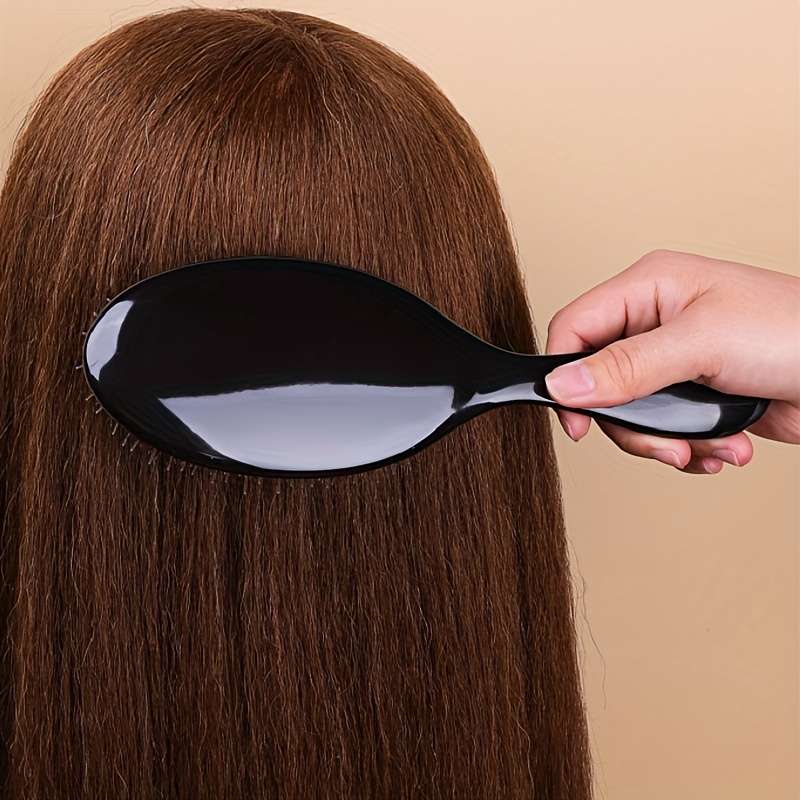
- Gentle Brushing: Use a detangling brush and work through the tangles slowly. Begin at the tips and gradually move up to the roots to avoid pulling.
- Soak Method: For severe matting, a soak can help. Fill a basin with warm water and a small amount of conditioner. Submerge the extensions and gently work through tangles with your fingers.
- Professional Help: If matting persists, consider consulting a professional stylist experienced in hair extensions for a thorough detangling treatment.
Using these solutions effectively will restore the appearance and manageability of your extensions.
Swimming and Exercise Considerations
When engaging in swimming or exercise with hair extensions, it’s essential to protect them from damaging elements while also choosing styles that will withstand your activities. This ensures your extensions remain in good condition and maintain a polished appearance.
Protecting Against Chlorine and Saltwater
Chlorine from pools and saltwater from oceans can significantly impact the integrity of your hair extensions. To minimize damage, rinse your extensions with fresh water before entering the pool or ocean. This creates a barrier that reduces the absorption of harmful elements.
After swimming, rinse your hair again immediately with fresh water. This step helps eliminate any residual chlorine or salt. Use a gentle, sulfate-free shampoo to wash your hair. Conditioning treatments are also vital; apply a deep conditioner to restore moisture.
Additionally, you can apply a leave-in conditioner or a protective serum before swimming. These products can further shield your extensions, keeping them hydrated and manageable. Regular maintenance, including using a wide-tooth comb to detangle hair, will prevent matting and keep your extensions looking vibrant.
Workout-Friendly Hair Extension Styles
Choosing the right hairstyle can make a difference in how your extensions handle physical activity. Loose hairstyles can lead to tangling and damage, so consider opting for secure styles.
Braid your hair or tie it in a loose bun before working out or swimming. This helps keep your extensions contained and minimizes friction. If you prefer a ponytail, ensure it’s not too tight to avoid stress on the extensions.
For high-intensity workouts, use fabric hair ties to prevent breakage. Avoid traditional rubber bands as they can tug at your hair. You might also want to use a headband to keep hair away from your face while ensuring that your extensions remain secure.
Seasonal Adjustments in Hair Extension Care
Adapting your hair extensions care routine to the changing seasons is essential for maintaining their quality and appearance. Summer and winter bring distinct challenges that require tailored approaches for effective maintenance.
Summer Protection Strategies
During summer, the heat and humidity can take a toll on hair extensions. To protect your extensions from sun damage, consider using products with UV protection. Leave-in conditioners or serums with added SPF can help shield your extensions from harmful rays.
Humidity often leads to frizz. Opt for lightweight, anti-frizz products that can help control this issue without weighing your hair down. Regularly applying a hydrating serum can also help maintain moisture balance.
When swimming, always wear a swim cap or rinse your hair immediately after exposure to chlorinated or saltwater. This simple step can prevent drying and damage, ensuring your extensions remain vibrant.
Winter Care Adjustments
In winter, dry air can lead to brittleness and static in your hair extensions. It’s crucial to increase moisture levels in your hair routine. Use rich conditioners and deep conditioning masks regularly to provide ample hydration.
Static can be a common problem due to indoor heating. To minimize this, consider using an anti-static spray or applying a small amount of hair oil.
It’s also beneficial to limit heat styling during colder months. If necessary, always use a heat protectant before applying heat. Additionally, wearing a soft hat can offer warmth and protect your extensions from harsh outdoor conditions, reducing tangles and breakage.
When to Replace Your Hair Extensions
Knowing when to replace your hair extensions is crucial for maintaining a fresh and vibrant look. Certain signs of wear and damage can indicate it’s time for a change, along with understanding the recommended lifespan of your extensions.
Signs of Wear and Damage
Look for specific indicators that suggest your hair extensions need replacement. Common signs include:
- Dull Appearance: If your extensions have lost their shine and vibrancy, it may be time to replace them.
- Tangles and Knots: Frequent tangling, especially if accompanied by breakage, signals that the extensions are degrading.
- Excessive Shedding: If you notice more hair falling out than usual, this can indicate the extensions are nearing their end.
- Difficulty Styling: When styling becomes challenging or the extensions don’t hold styles as they once did, it suggests a need for new ones.
Being attentive to these signs will help you maintain a polished appearance.
Recommended Lifespan of Company Link Extensions
The lifespan of Company Link hair extensions varies based on several factors, including care routines and hair type. Generally, high-quality extensions can last between three to six months with proper maintenance.
- Regular Maintenance: Following a diligent haircare routine will prolong their life. Use color-safe, sulfate-free products to maintain integrity.
- Wearing Frequency: If worn daily, consider replacement closer to three months. Less frequent use may allow for a lifespan of up to six months.
- Quality: Premium extensions may last longer, while lower-quality options typically require more frequent replacement.
Monitor your extensions regularly to decide the best time for replacement based on your usage and care habits.
Frequently Asked Questions
Maintaining hair extensions requires specific practices to ensure their longevity and appearance. Here are key questions that often arise regarding hair extensions maintenance.
What are the best practices for maintaining hair extensions?
Use a soft-bristle brush to gently detangle your extensions, starting from the tips and working your way up. Always wash your extensions with sulfate-free shampoos and conditioners, and let them air dry when possible. Regularly use hair oils to keep them hydrated and shiny, avoiding excessive heat exposure.
How often should hair extensions be professionally maintained?
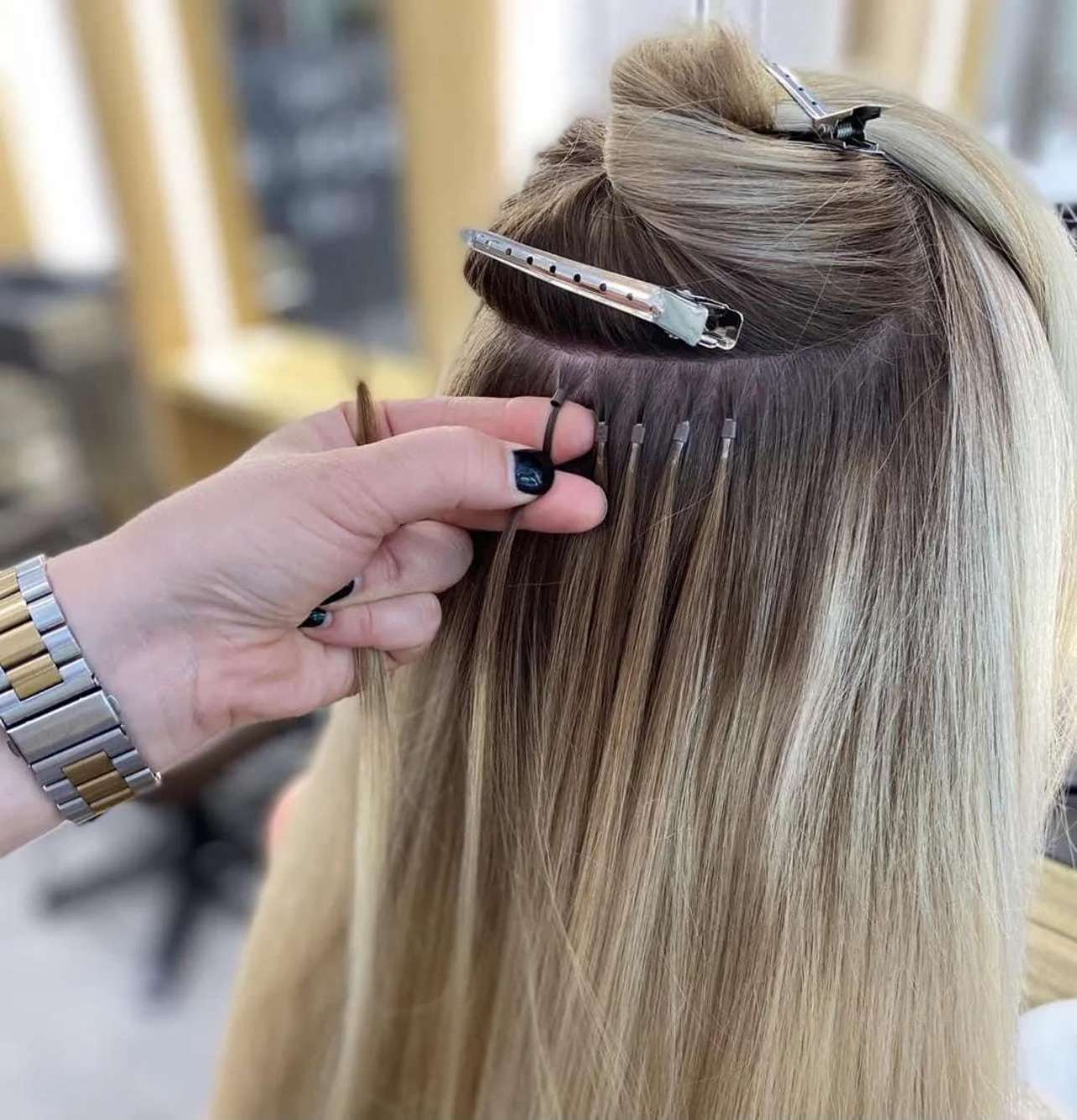
For bonded extensions, a maintenance appointment is generally recommended every three to four months. Tape extensions may need adjustments every six weeks due to hair growth. Regular professional maintenance helps keep your extensions looking fresh and prevents damage to your natural hair.
What is the average cost of hair extensions maintenance in London?
The cost of maintenance can vary widely based on the type of extensions you have. On average, expect to pay between £50 and £200 for a maintenance session. This cost often includes adjustments, reapplication, and sometimes a wash and style.
How can I prevent damage to my hair while wearing extensions?
To prevent damage, avoid tugging or pulling on your extensions when brushing. It’s also important to avoid using high-heat styling tools without protective sprays. Sleeping with your hair in a loose braid or ponytail can minimize tangling and breakage during the night.
Are there specific maintenance requirements for different types of hair extensions?
Yes, different types of extensions, such as bonded or tape-in extensions, have unique care requirements. Bonded extensions may require specific adhesives for removal and reapplication, while tape-ins need gentle handling to avoid slipping. Always consult with your stylist for tailored maintenance advice.
What are the signs that hair extensions need to be replaced or removed?
Common signs include noticeable shedding, matting, or a lack of luster. If your extensions start to feel heavy or uncomfortable, it may be time for a change. Additionally, if you notice your natural hair growing out significantly, consider getting your extensions removed to avoid excess tension.
What Maintenance Do Hair Extensions Need?
Hair extensions require regular upkeep to maintain their appearance and health. This includes proper washing, conditioning, brushing, and styling, as well as scheduled salon visits for adjustments and repositioning.
Are Hair Extensions a Lot of Maintenance?
Hair extensions can be a bit more maintenance-intensive than natural hair. They require special care routines and products to keep them looking their best and to prevent damage to both the extensions and your natural hair.
Do Extensions Require Maintenance?
Yes, extensions do require maintenance. Regular brushing, washing with sulfate-free products, and avoiding excessive heat are essential. Additionally, regular salon visits are necessary for repositioning and ensuring the extensions remain secure.
How to Properly Take Care of Your Hair Extensions?
To properly care for your hair extensions:
- Brush regularly with an extension-friendly brush.
- Wash with sulfate-free shampoo and conditioner.
- Avoid applying heavy oils or products near the adhesive.
- Gently towel dry and avoid excessive heat styling.
How Often Should I Oil My Extensions?
Oiling extensions can help keep them moisturized, but it should be done sparingly. Apply a small amount of light oil or serum to the mid-lengths and ends once a week, avoiding the roots and adhesive areas.
How Often Should You Take a Break from Hair Extensions?
It’s recommended to take a break from hair extensions every 3-6 months. This allows your natural hair to recover and prevents potential damage from continuous wear, please factor in hair extension maintenance cost uk when opting to embark on your new locks journey.
What Are the Disadvantages of Hair Extensions?
Some disadvantages of hair extensions include:
- Maintenance requirements: They need regular care and salon visits.
- Potential damage: Incorrect application or removal can cause damage to natural hair.
- Cost: High-quality extensions and professional services can be expensive.
How to Look After Hair Extensions at Night?
To protect your extensions at night:
- Braid your hair or tie it in a loose ponytail.
- Use a silk or satin pillowcase to reduce friction.
- Avoid sleeping with wet hair extensions to prevent matting and tangling.
How Difficult Are Extensions to Maintain?
Extensions can be more challenging to maintain than natural hair due to the need for special care routines, products, and regular salon visits. However, with proper care and attention, they can be managed effectively.
Which Extensions Are Low Maintenance?
Clip-in extensions are considered low maintenance because they can be easily applied and removed without professional help. They don’t require the same level of daily care as permanent extensions.
What Is the Aftercare for Hair Extensions?
Aftercare for hair extensions includes:
- Using sulfate-free hair products.
- Avoiding heavy oils and silicone-based products near the roots.
- Regular brushing to prevent tangling.
- Attending scheduled salon visits for adjustments and maintenance.
How Often Do Extensions Need to Be Tightened?
Extensions generally need to be tightened or repositioned every 6-8 weeks. This prevents them from becoming loose and ensures they remain securely attached to your natural hair.
How High Maintenance Are Hair Extensions?
Hair extensions can be high maintenance, requiring regular washing, conditioning, careful brushing, and avoiding excessive heat and styling products. Regular salon visits for maintenance are also necessary.
How to Look After Hair Extensions on Holiday?
While on holiday, care for your extensions by:
- Wearing a swim cap to protect from chlorine or saltwater.
- Using UV-protectant hair products.
- Rinsing thoroughly after swimming.
- Avoiding excessive sun exposure.
How Can I Make My Extensions Healthy Again?
To restore health to your extensions:
- Deep condition regularly to add moisture.
- Trim the ends to remove split or damaged ends.
- Avoid heat styling as much as possible.
- Use nourishing hair products designed for extensions.
Conclusion
Regular maintenance for hair extensions is essential for keeping them looking their best and ensuring they don’t damage your natural hair. By following proper care routines, using the right products, and scheduling regular salon visits, you can enjoy beautiful, long-lasting extensions.
For more tips and high-quality hair extensions, book a consultation at Link Hair Extensions.